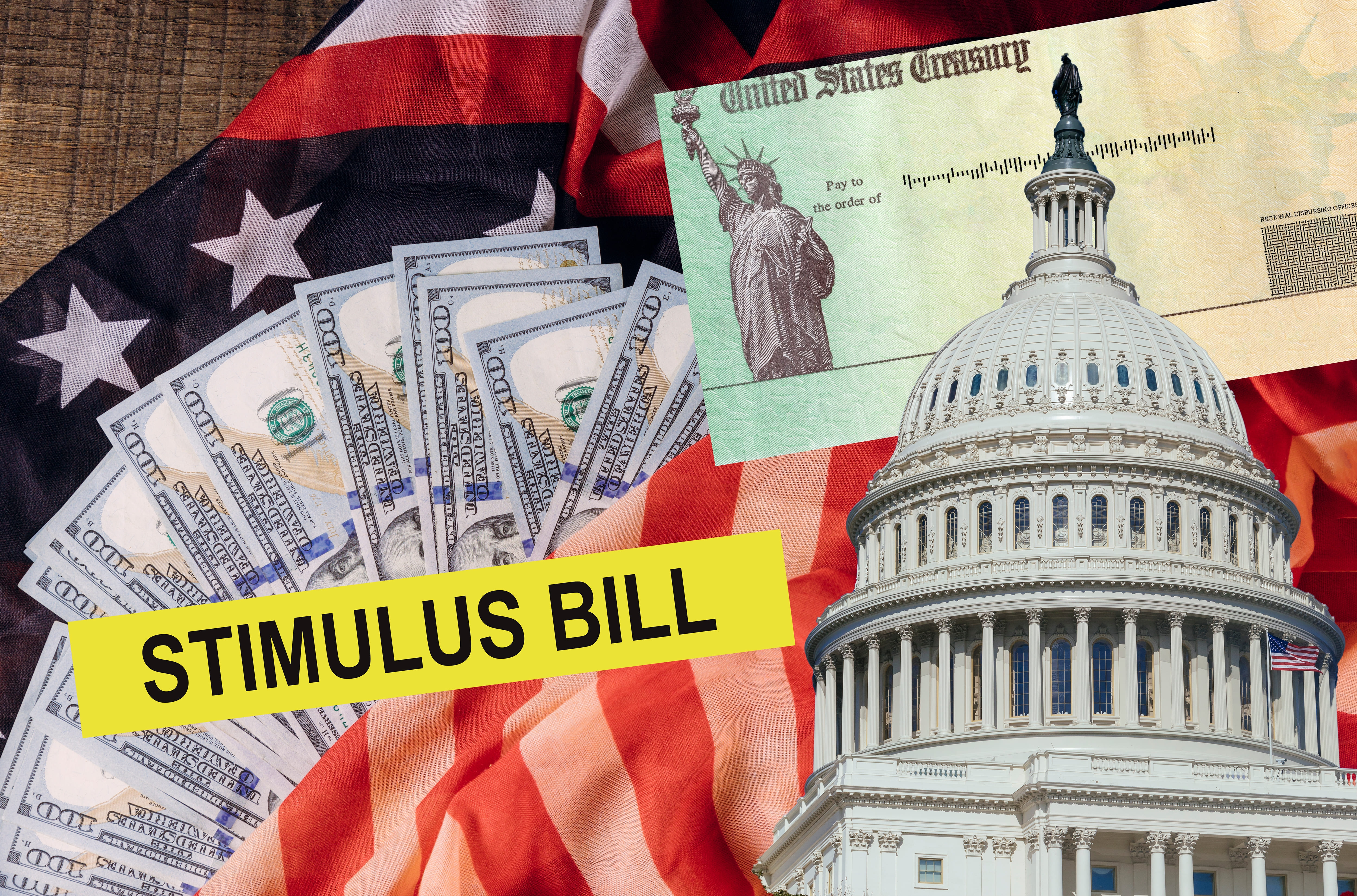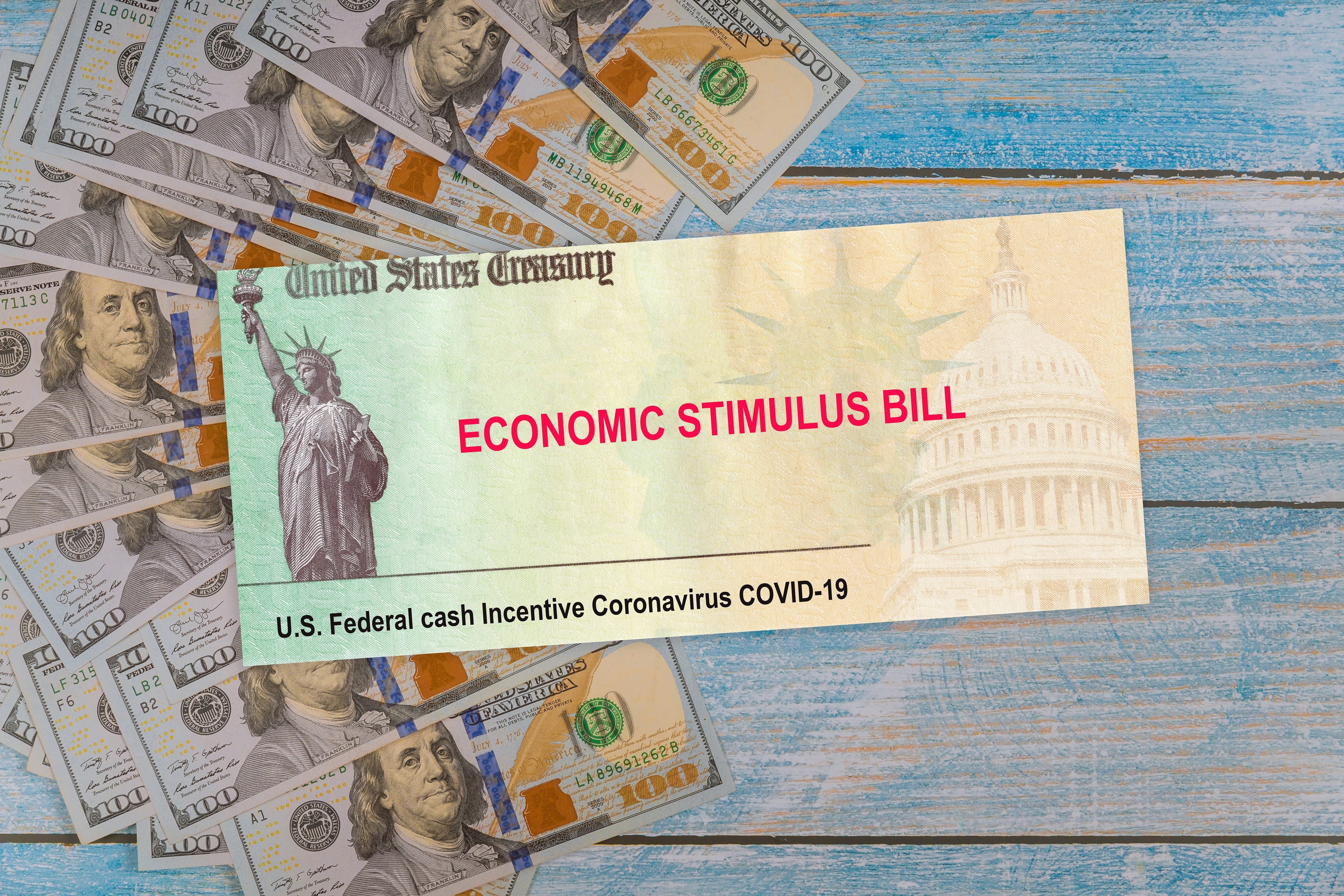
Relief bills, often referred to as stimulus packages, are a powerful tool governments use to mitigate economic downturns and restore stability. These bills are typically enacted during crises, such as recessions, pandemics, or natural disasters, and aim to stabilize the economy, support individuals, and provide businesses with the resources to endure challenging times. In this article, we’ll explore the macroeconomic effects of relief bills, examining how they influence the economy as a whole and citing historical examples to highlight their impact.
The Mechanics of Relief Bills on the Economy
Relief bills influence the economy through several key mechanisms:
-
Increased Consumer Spending
-
Relief bills often include direct payments to individuals, such as stimulus checks or expanded unemployment benefits. These funds boost consumer purchasing power, leading to increased demand for goods and services. This, in turn, supports businesses and stimulates economic activity.
-
Support for Businesses
-
Relief bills may include grants, loans, or tax breaks to help businesses retain employees, cover operational costs, and continue investing in growth. This prevents mass layoffs and ensures that businesses remain operational during crises.
-
Infrastructure Investments
-
Many relief packages allocate funds to infrastructure projects, such as roads, bridges, and public transit. These investments create jobs, enhance economic productivity, and provide long-term benefits by improving the nation’s infrastructure.
-
Market Stabilization
-
Relief bills often include measures to stabilize financial markets, such as liquidity support for banks or targeted aid for critical industries. This helps prevent a financial system collapse and maintains investor confidence.
Macroeconomic Effects of Relief Bills
Relief bills have far-reaching effects on the economy, influencing key indicators such as GDP, unemployment, and inflation. Here’s how:
-
Boosting Gross Domestic Product (GDP)
-
By increasing consumer spending, business investment, and government expenditures, relief bills contribute to GDP growth. A higher GDP indicates a stronger economy, which is essential for recovery during a downturn.
-
Reducing Unemployment
-
Relief bills aim to save jobs through business support programs and create new ones through infrastructure and public works projects. Additionally, unemployment benefits provide a safety net for jobless individuals, sustaining their ability to participate in the economy.
-
Combating Deflationary Pressures
-
During economic downturns, demand often falls, leading to deflationary pressures that can exacerbate a recession. Relief bills inject money into the economy, countering this trend and helping stabilize prices.
-
Addressing Income Inequality
-
Relief measures often prioritize low-income and vulnerable populations, providing direct financial support to those most in need. This can help reduce income inequality and ensure a more equitable economic recovery.
Historical Examples of Relief Bills and Their Impact
-
The New Deal (1930s)
-
During the Great Depression, President Franklin D. Roosevelt implemented the New Deal, a series of relief programs aimed at combating unemployment and economic stagnation. Initiatives like the Civilian Conservation Corps (CCC) and the Public Works Administration (PWA) created millions of jobs while boosting infrastructure development.
-
Impact: The New Deal helped stabilize the economy, reduce unemployment, and restore confidence in the financial system, though full recovery took time.
-
The American Recovery and Reinvestment Act (ARRA) of 2009
-
Passed in response to the Great Recession, the ARRA allocated $787 billion for tax cuts, unemployment benefits, and investments in healthcare, education, and infrastructure.
-
Impact: The ARRA helped reverse the economic contraction, reduced unemployment, and boosted GDP. A 2014 Congressional Budget Office (CBO) report estimated that the ARRA raised GDP by up to 4.2% in 2010 and created or saved millions of jobs.
-
The CARES Act (2020)
-
Amid the COVID-19 pandemic, the U.S. government passed the CARES Act, a $2.2 trillion relief package that included direct payments to individuals, expanded unemployment benefits, and the Paycheck Protection Program (PPP) for small businesses.
-
Impact: The CARES Act mitigated the pandemic’s economic impact, preventing a deeper recession. A study by the Brookings Institution found that the act reduced poverty levels and supported consumer spending, which helped stabilize the economy during the crisis.
Potential Risks and Criticisms
While relief bills can provide significant economic benefits, they are not without risks:
-
National Debt
-
Funding relief measures often requires increased government borrowing, which adds to the national debt. High debt levels can lead to long-term economic challenges, including higher interest rates and reduced fiscal flexibility.
-
Inflation
-
Large-scale government spending can contribute to inflation if demand outpaces supply. This was a concern following the COVID-19 stimulus measures in 2021, which coincided with rising inflation rates.
-
Inefficiency and Mismanagement
-
Relief funds may not always reach the intended recipients or may be misused, reducing their effectiveness. This highlights the importance of transparency and accountability in relief programs.
Lessons for Future Relief Efforts
Relief bills have proven to be essential tools for economic recovery, but their design and implementation are critical to their success. Key lessons include:
-
Targeted Aid: Relief measures should prioritize those most affected by the crisis, such as low-income families and small businesses.
-
Timely Implementation: Delays in passing and distributing relief funds can exacerbate economic challenges.
-
Balancing Short-Term and Long-Term Needs: Relief bills should address immediate crises while considering long-term economic stability.
Conclusion
Relief bills play a vital role in addressing economic crises and supporting recovery. By boosting consumer spending, stabilizing markets, and investing in infrastructure, these measures can significantly impact the economy as a whole. However, careful planning and execution are essential to maximize their benefits and minimize potential risks.
As we look to the future, relief bills will continue to be a cornerstone of economic policy, providing the tools needed to navigate uncertainty and build a more resilient economy. Stay informed about the latest developments in economic relief and policy by visiting our website, your trusted source for actionable insights and expert analysis.