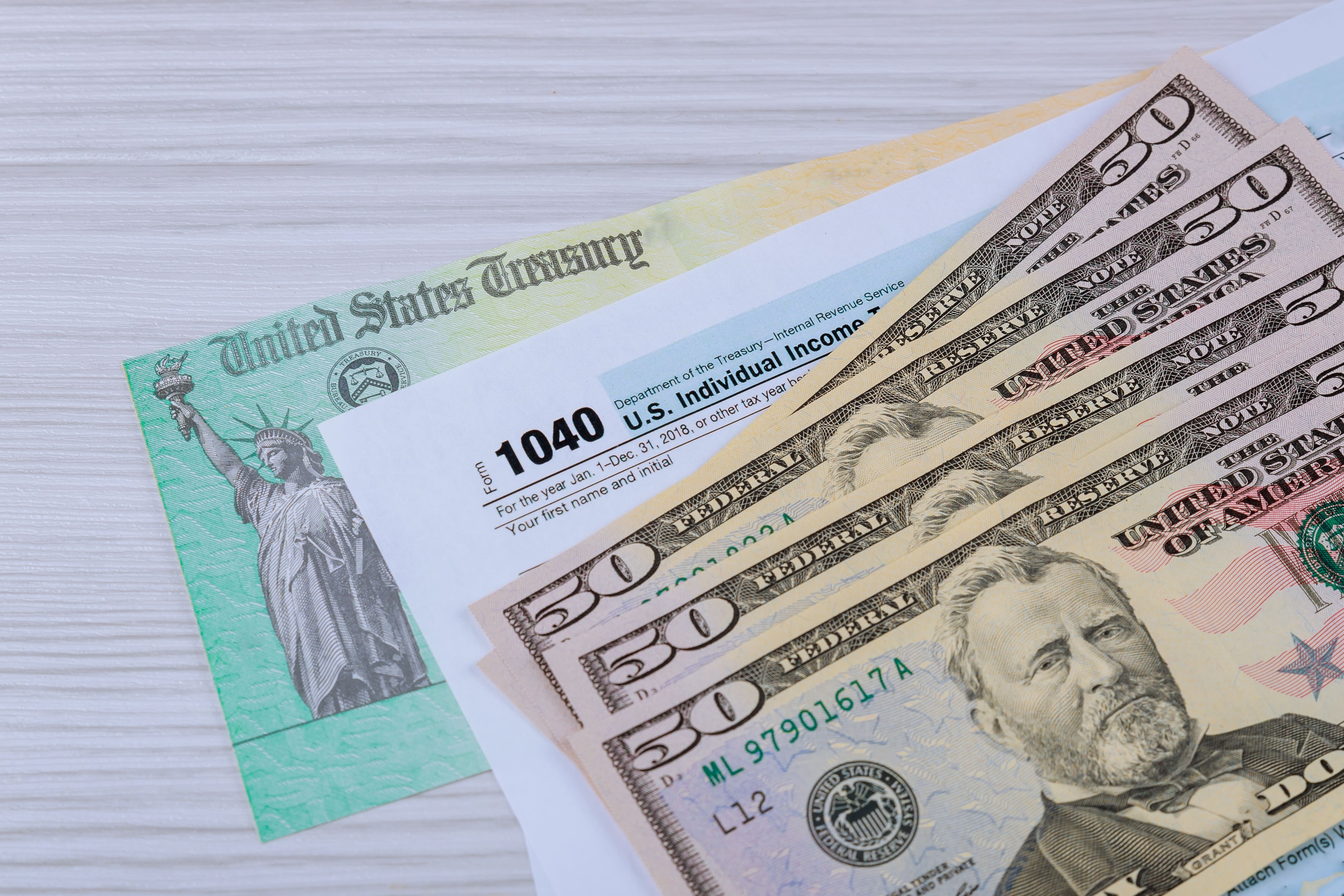
Stimulus checks have become a cornerstone of economic relief packages, offering direct financial support to individuals and families during challenging times. By putting money directly into the hands of citizens, these payments provide immediate assistance and help stimulate economic activity. Below, we explore the top benefits of stimulus checks, emphasizing their role in supporting households and the broader economy.
1. Meeting Immediate Financial Needs
For many households, stimulus checks serve as a financial lifeline during crises. Whether it's a recession, pandemic, or natural disaster, these payments help individuals cover essential expenses such as:
-
Rent or Mortgage Payments: Ensuring housing stability during uncertain times.
-
Utility Bills: Keeping lights on and homes warm.
-
Groceries: Providing food security for families.
In a 2020 survey conducted during the COVID-19 pandemic, many recipients reported using their stimulus payments for necessities, highlighting their critical role in preventing financial distress.
2. Reducing Debt Burdens
Economic hardships often lead individuals to rely on credit cards, loans, or deferred payments to manage daily expenses. Stimulus checks allow recipients to:
-
Pay down high-interest debt, reducing long-term financial strain.
-
Catch up on overdue bills, avoiding penalties or utility shutoffs.
-
Rebuild emergency savings, creating a buffer for future needs.
By alleviating debt burdens, stimulus checks improve household financial health and reduce stress.
3. Supporting Mental Health and Well-Being
Financial stress is a significant contributor to mental health challenges, including anxiety and depression. Stimulus checks help ease these pressures by:
-
Providing a sense of stability and control over one’s finances.
-
Alleviating fears of eviction, utility shutoffs, or food insecurity.
-
Enabling families to focus on other aspects of well-being, such as healthcare and education.
The psychological relief of financial support can have profound effects on overall quality of life, particularly during widespread economic uncertainty.
4. Boosting Local Economies
When individuals spend their stimulus payments, the money flows through the economy, benefiting local businesses and service providers. Common areas of spending include:
-
Retail and Grocery Stores: Increased consumer activity supports jobs and supply chains.
-
Restaurants and Services: Stimulus checks encourage spending in hard-hit sectors like dining and personal services.
-
Healthcare and Childcare: Families often use funds for essential services, supporting these critical industries.
This ripple effect not only helps individuals but also strengthens communities by sustaining jobs and businesses.
5. Helping Parents and Families with Children
Families with children often face additional financial challenges during crises, including higher childcare costs and educational expenses. Stimulus checks provide much-needed relief by:
-
Covering childcare expenses, enabling parents to work or seek employment.
-
Supporting remote learning needs, such as purchasing laptops, internet access, and school supplies.
-
Offering extra resources for food, clothing, and healthcare for growing children.
In some stimulus packages, additional payments for dependents further support families, acknowledging their unique needs.
6. Empowering Financial Independence
Stimulus checks offer individuals a chance to regain financial autonomy. For some recipients, these payments provide the means to:
-
Start or expand small businesses.
-
Pursue education or training opportunities to improve employment prospects.
-
Make strategic investments, such as purchasing tools or equipment for work.
By giving people the financial flexibility to pursue their goals, stimulus checks can create pathways to long-term economic stability.
7. Addressing Income Inequality
Stimulus checks are often structured to prioritize low- and middle-income households, providing proportionally greater benefits to those who need them most. This targeted approach helps:
-
Narrow income gaps by offering direct support to vulnerable populations.
-
Reduce poverty levels, particularly among children and marginalized groups.
-
Enhance social equity by addressing disparities in access to resources.
According to the U.S. Census Bureau, stimulus payments in 2020 reduced the national poverty rate by several percentage points, demonstrating their effectiveness in promoting financial inclusion.
8. Preventing Broader Economic Decline
When millions of households receive and spend stimulus checks, the collective impact stabilizes the economy. Benefits include:
-
Increased Consumer Spending: Boosting demand for goods and services helps businesses recover.
-
Job Preservation: Sustained spending supports employment across multiple sectors.
-
Economic Recovery: Stimulus checks play a vital role in reversing downturns and fostering growth.
By addressing individual needs, these payments contribute to the overall health of the economy, benefiting society as a whole.
Conclusion
Stimulus checks are more than just financial payments—they are powerful tools for supporting individuals and families during times of crisis. From meeting basic needs and reducing debt to boosting mental well-being and local economies, their benefits are far-reaching. These payments not only provide immediate relief but also foster resilience, enabling households to weather challenges and rebuild stronger futures.
For more insights on economic relief and recovery measures, explore our website, where we provide trusted resources and expert analysis on the issues that matter most to you.